
Purchasing a Home or Investment Property
Buying a home or an investment property is one of the most significant investments you'll ever make, and we're here to make this process as seamless and stress-free as possible.
Whether you're buying your first home or adding another investment property to an established portfolio, we're ready to guide you every step of the way.

Purchasing your First Home?
Discover which Government schemes and grants are available to you.
Find out exactly how much your can borrow and how much deposit you'll need.
Learn about the process of applying for a loan and purchasing a property.
Explore your lender options.
Applying with a guarantor?
Learn more about how you can borrow 100% of the purchase price + costs.
Assess the eligibility of your guarantor and their property.
Find out how the loan application and deposit process works.
Explore your lender options.
Building an investment portfolio?
Find out how you can use existing equity as deposit funds.
Explore loan structures and strategies to help continue your portfolio growth.
Discover investment specific loan products that can open up more doors for you.
Compare your optios in depth.
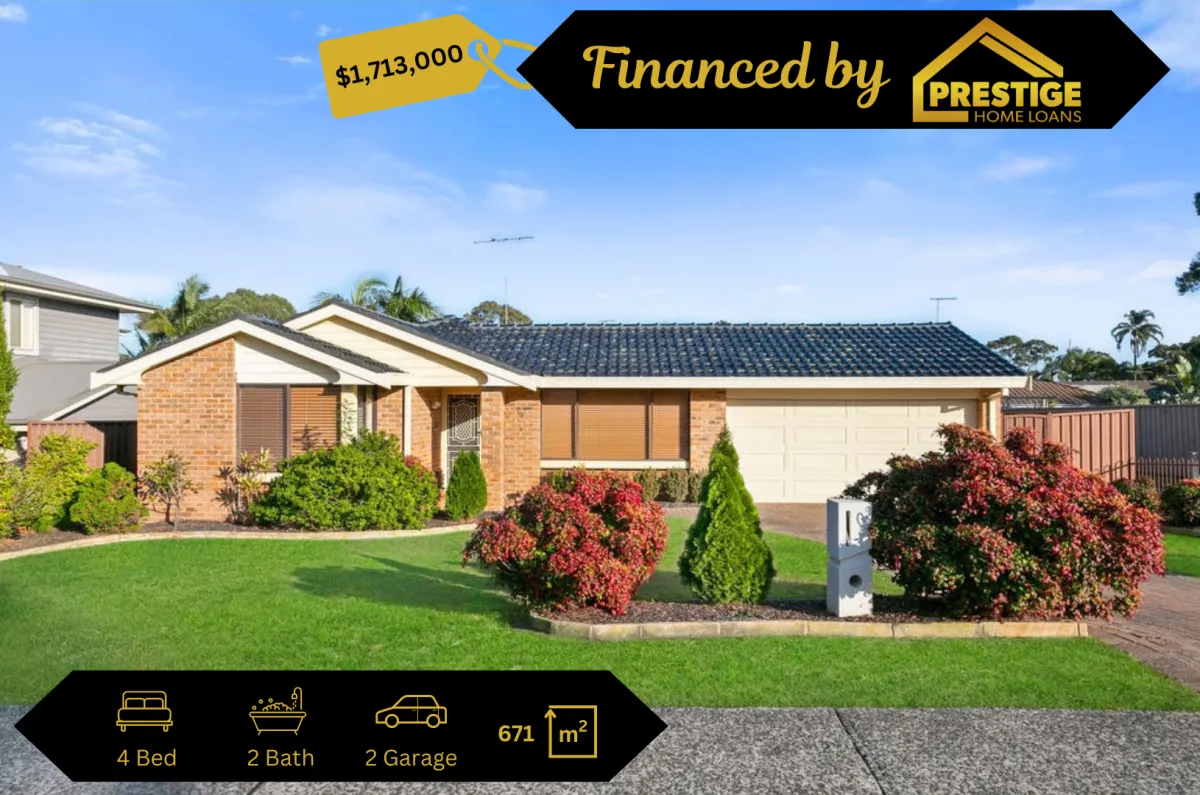
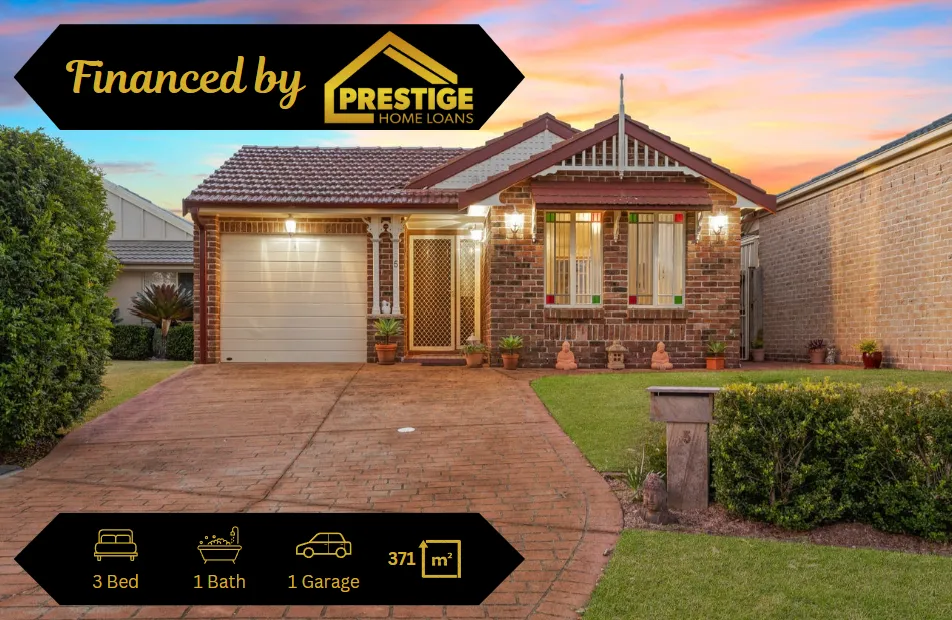
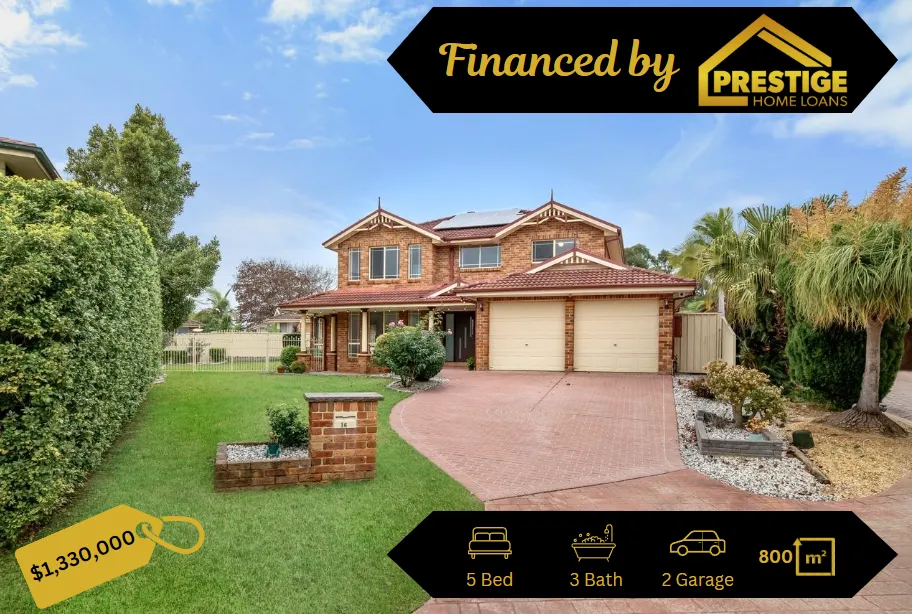
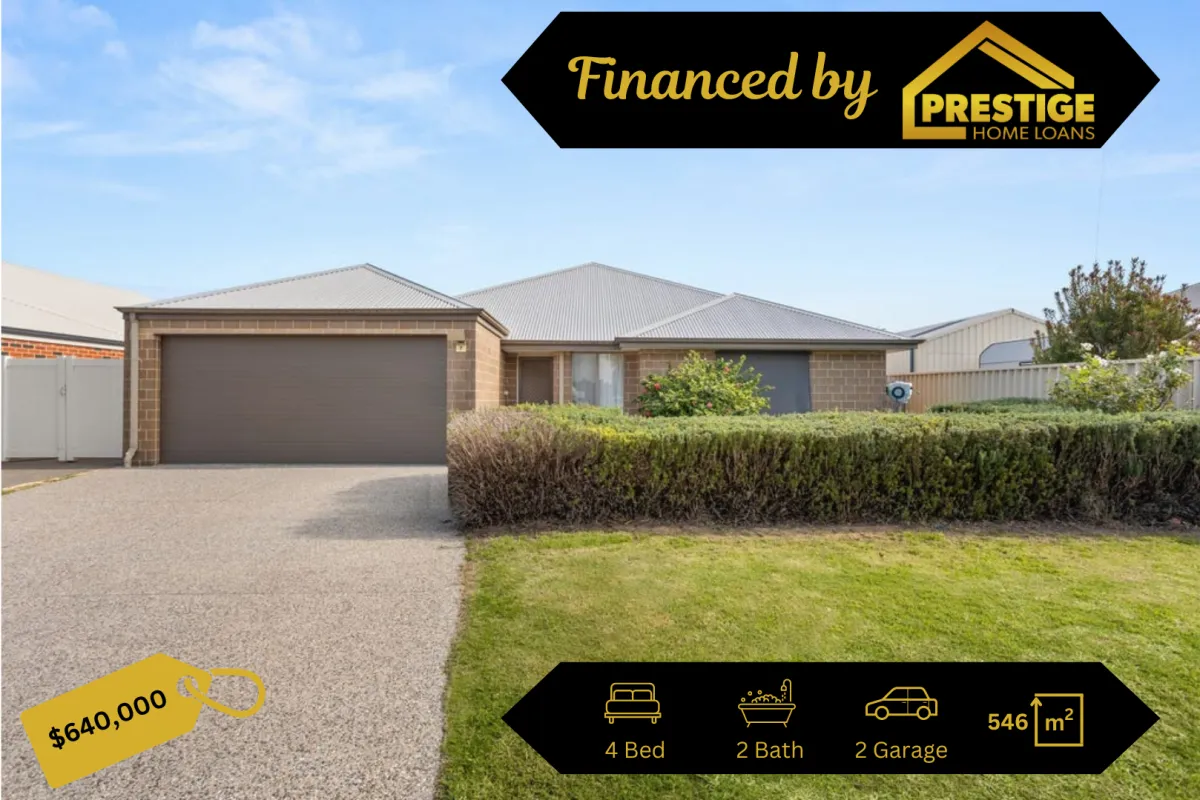
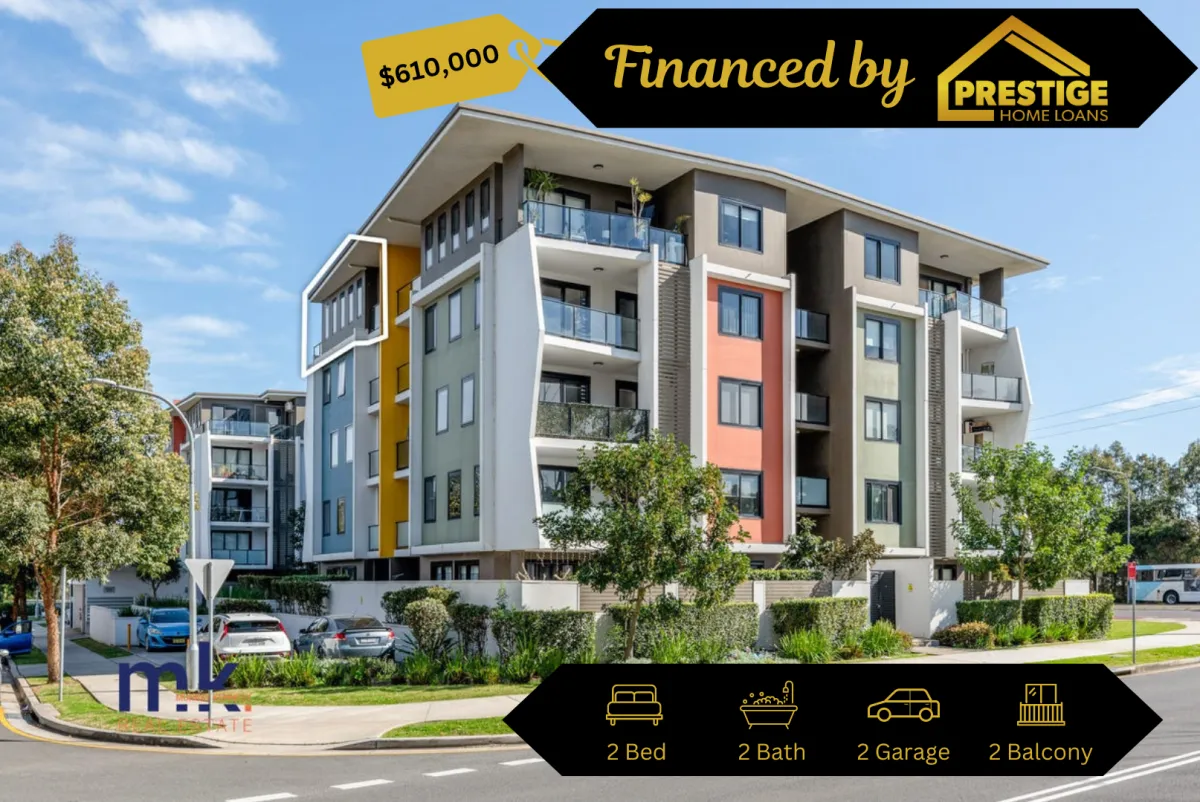
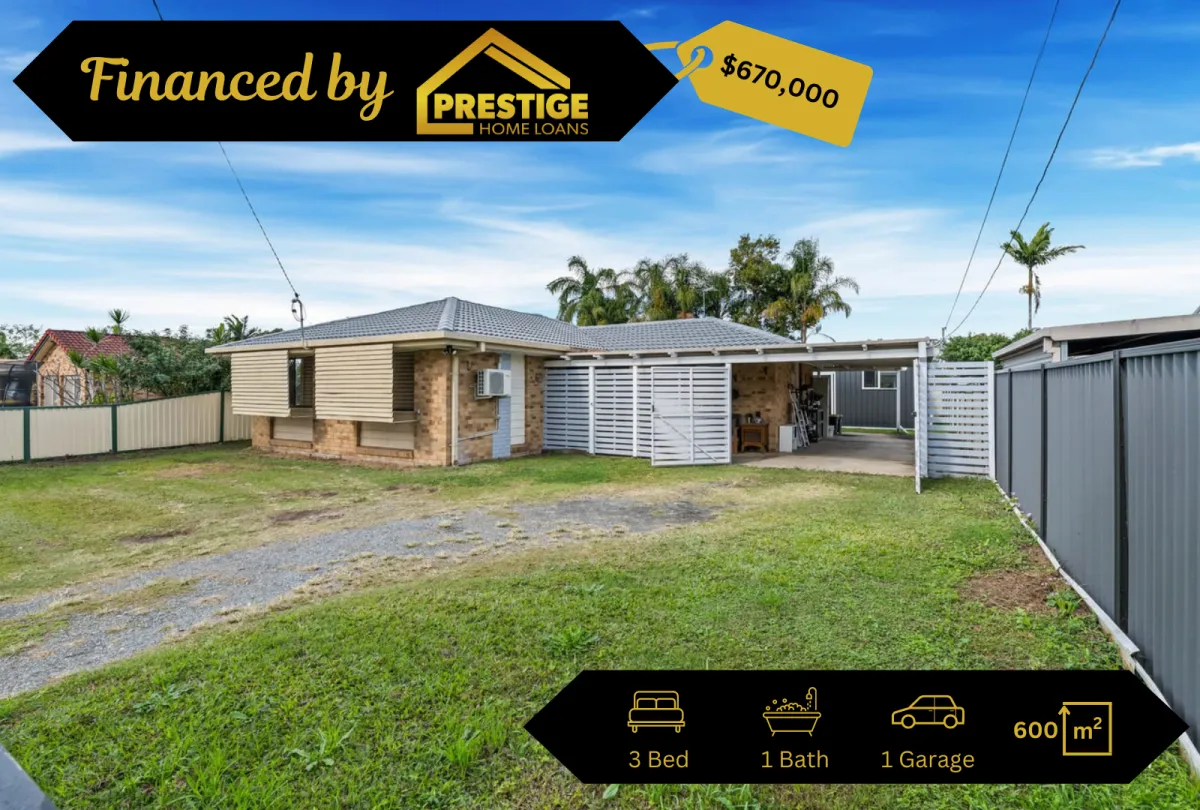
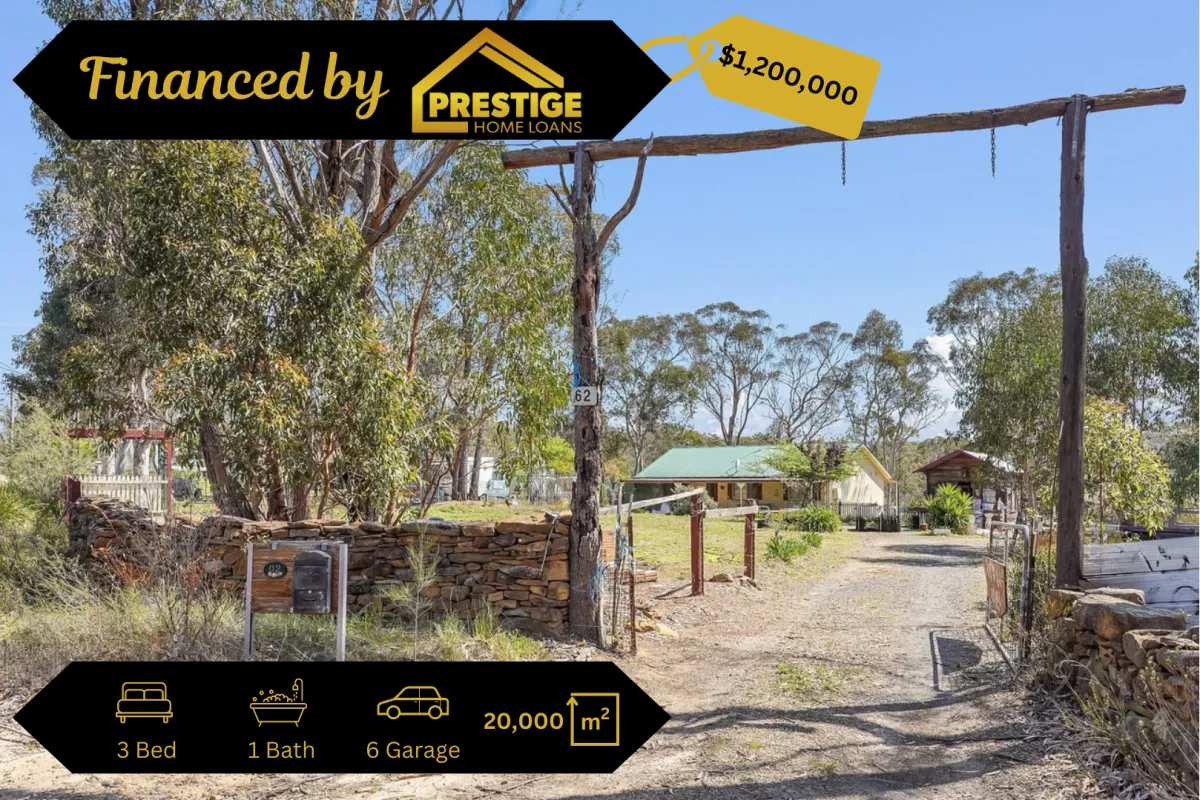
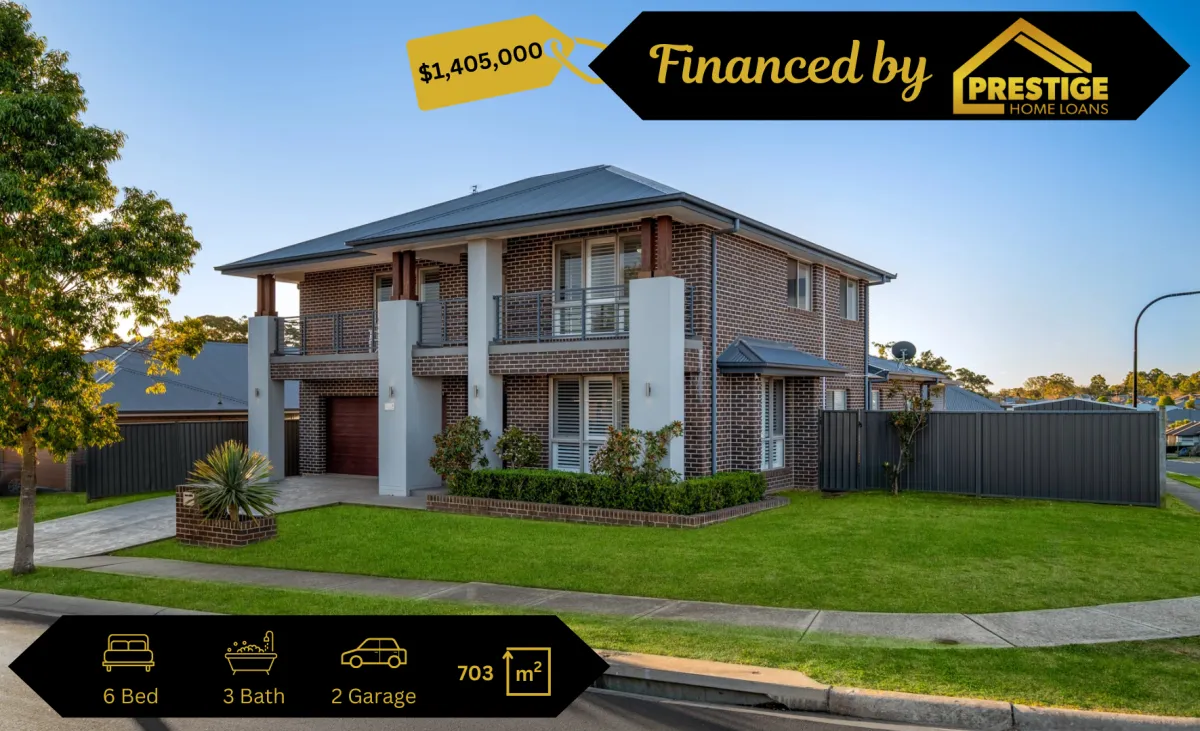
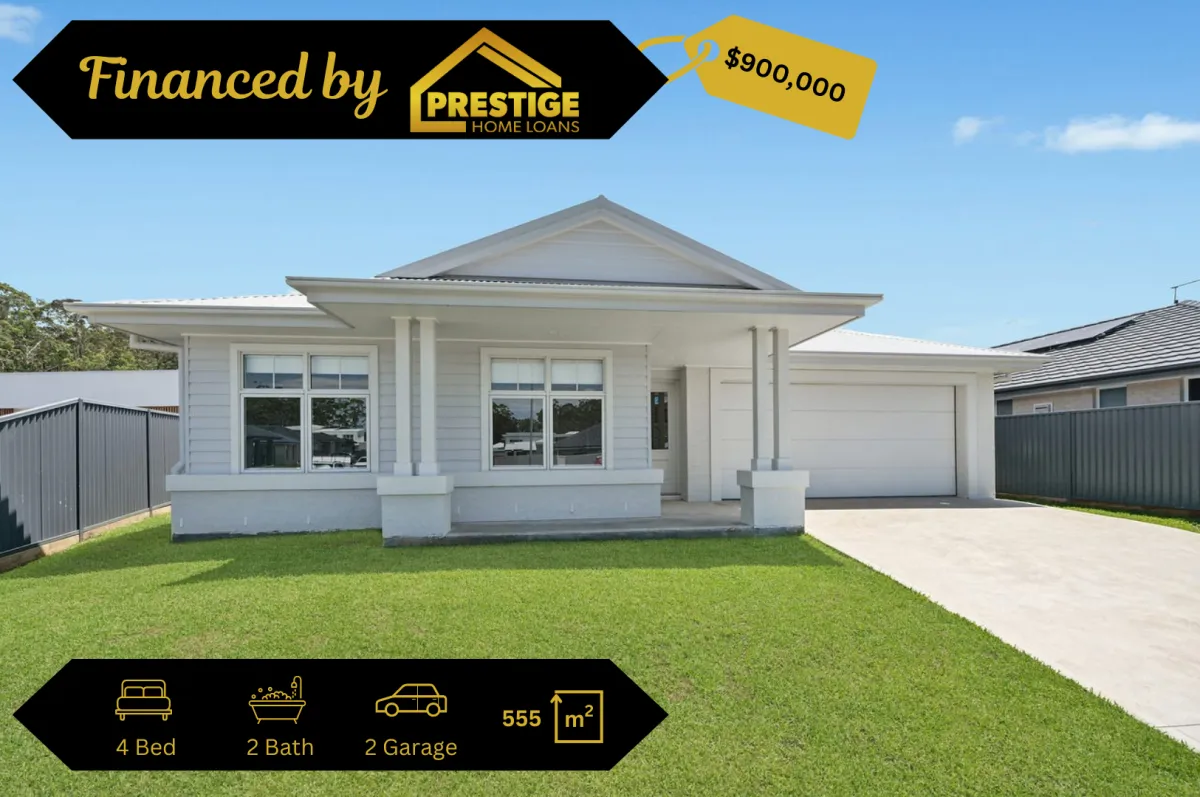
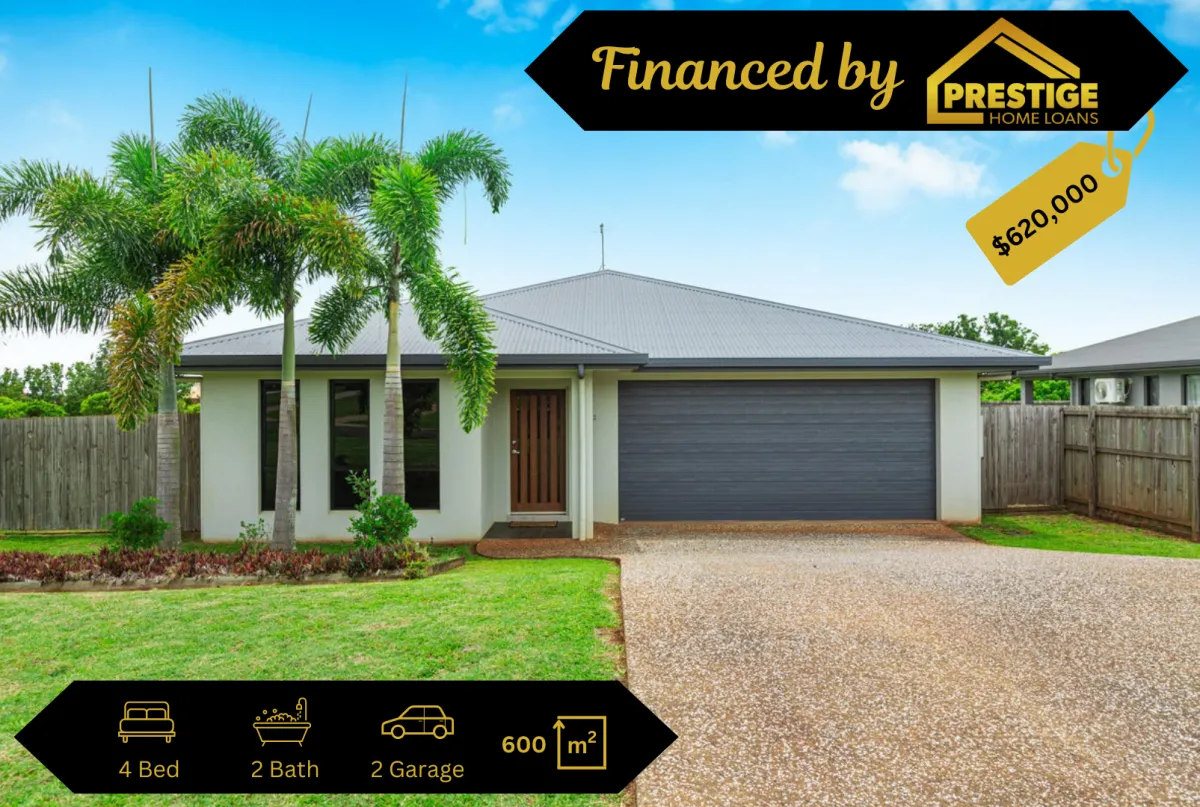
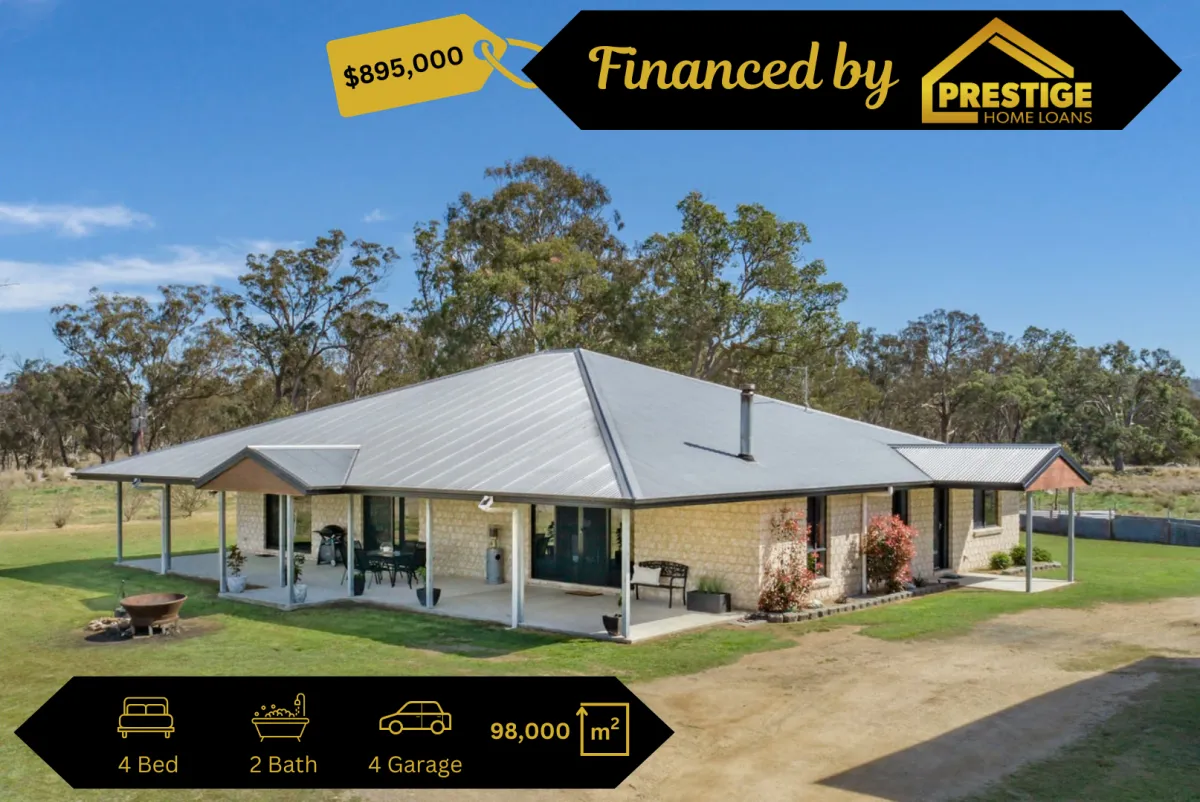
Some Of The Amazing Properties Financed With Us

Frequently Asked Questions
Do I need a 20% deposit to purchase my a home?
No. There are many low deposit options outside of the traditional 20%.
- Having a guarantor available to assist with your purchase will allow you to purchase a property with as little as NO deposit, and we can even cover costs in the loan amount.
- For First Home Buyers: The Australian Government 5% Deposit Scheme allows you to purchase a home with as little as 5% deposit without needing to pay Lenders Mortgage Insurance (LMI). This can be reduced to 2% for single parents.
- We also have access to 10% deposit options with NO LMI - without needing employment in a specialised field.
Which First Home Buyer Schemes am I eligible for?
This will vary based on individual circumstances and the state of the property to be purchased.
Eligible First Home Buyers can combine the First Home Super Saver Scheme, Government Guarantees (2% or 5% deposit), Stamp Duty concessions, First Home Owners Grants, and even First Home Buyer Reimbursements.
What is Lenders Mortgage Insurance (LMI)?
Lenders Mortgage Insurance is an insurance premium that you (the borrower) pays to protect the bank in the event of default, when borrowing at a high loan-to-value ratio (LVR). This premium will vary depending on the property value, loan amount and lender.
Using a Family Guarantor, or LMI waiver options will allow you to avoid paying Lenders Mortgage Insurance.
For First Home Buyers using the 5% Deposit Scheme, the Government acts as your guarantor, which will avoid paying LMI as well.
How do I use my equity as deposit for another property?
The process of using equity looks like the following:
1. We assess how much usable equity you have. (Property value $ x 80%) - existing debt = usable equity.
2. We assess if you can borrow more than your existing debt.
3. We combine the two assessments above, and if you can borrow more of your usable equity, then we apply for a top-up loan and these funds are realeased to you as cash.
4. That cash is then used as the deposit funds for your next property purchase.
If you're looking to access equity for other reasons such as personal expenses, renovations, car purchase etc. headover to our Refinance page.
How much can I borrow?
Borrowing capacity is an extensive measure of a combination of the following: employment & income, existing liabilities, dependant children, ongoing expenses, proposed deposit and LVR, all bundled into a complete lending assessment.
Each persons circumstances are unique and your borrowing capacity will differ, even in very similar circumstances.
What if I have already spoken with my bank but I can't borrow enough or I'm not happy?
Chances are that the bank has tried to fit you into their own lending policy and have simply given you the best they can. Different lenders have different policies, so just because one bank says NO, doesn't mean that you're stuck with that. It just means you need to evaluate ALL of your options.
What is a Pre-Approval and when do I need one?
A Pre-Approval is an indicative approval from your chosen lender to an agreed loan amount, subject to satisfactory checks on the property you choose to purchase.
Example: we provide all income and liabilities documents to the lender with your application, they issue a Pre-Approval to lock in the amount that they're comfortable lending. You purchase a standard property of acceptable value. The lender confirms this and will issue a Final Approval.
Important Note: Not all pre-approvals are the same. It is important to understand if your Pre-Approval has been 'fully-assessed', or if it has simply been system generated without any initial checks or assessment.
What happens in the initial Discovery Call?
We will have a discussion about your current financial situation and understand your goals and objectives. From there we will give you an indication of what you could buy, and explain some of the options that may suit your scenario. We'll also outline the next steps of working with us, including gathering information and documentation prior to issuing a full loan proposal.
How will I know the loan recommended is right for me?
Before making a recommendation, we assess your needs, objectives and financial circumstances. We'll explain and compare the options considered, why a particular loan is being recommended and the important features, costs and trade-offs so you can make an informed decision.
What does a Mortgage Broker do?
A Mortgage Broker helps you assess your borrowing position, compare suitable lending options and manage the home loan process from application through to settlement, rather than you approaching individual banks yourself.
Do I need to pay to use a Mortgage Broker?
Mortgage brokers are generally paid a commission by the lender when your loan settles, rather than you paying the broker directly. If any fees apply to your particular situation, these will be disclosed to you upfront before proceeding with an application.
When should I speak to a Mortgage Broker?
The ideal time to speak to a Mortgage Broker is BEFORE you begin searching for properties. Understanding your borrowing capacity, deposit options, and maximum purchase price will allow you to search more efficiently and accurately for a suitable property.
Why use a Mortgage Broker instead of going direct-to-bank?
A Mortgage Broker can assess your circumstances against a panel of lenders to identify the most suitable options and your eligibility for these products, while also helping you navigate the loan application and approval process. Your bank can only offer you its own products and lending policies, regardless of whether they're best for you.